WGA announces details of new four-year agreement: $321 million infusion into health plan, increased residuals, and inclusion of AI licensing language
According to the CinemaDrame news agency, the tentative contract also raises minimum compensation by a total of 10.5%, improves streaming success bonuses for union members, and introduces language regarding the licensing of works for artificial intelligence training.
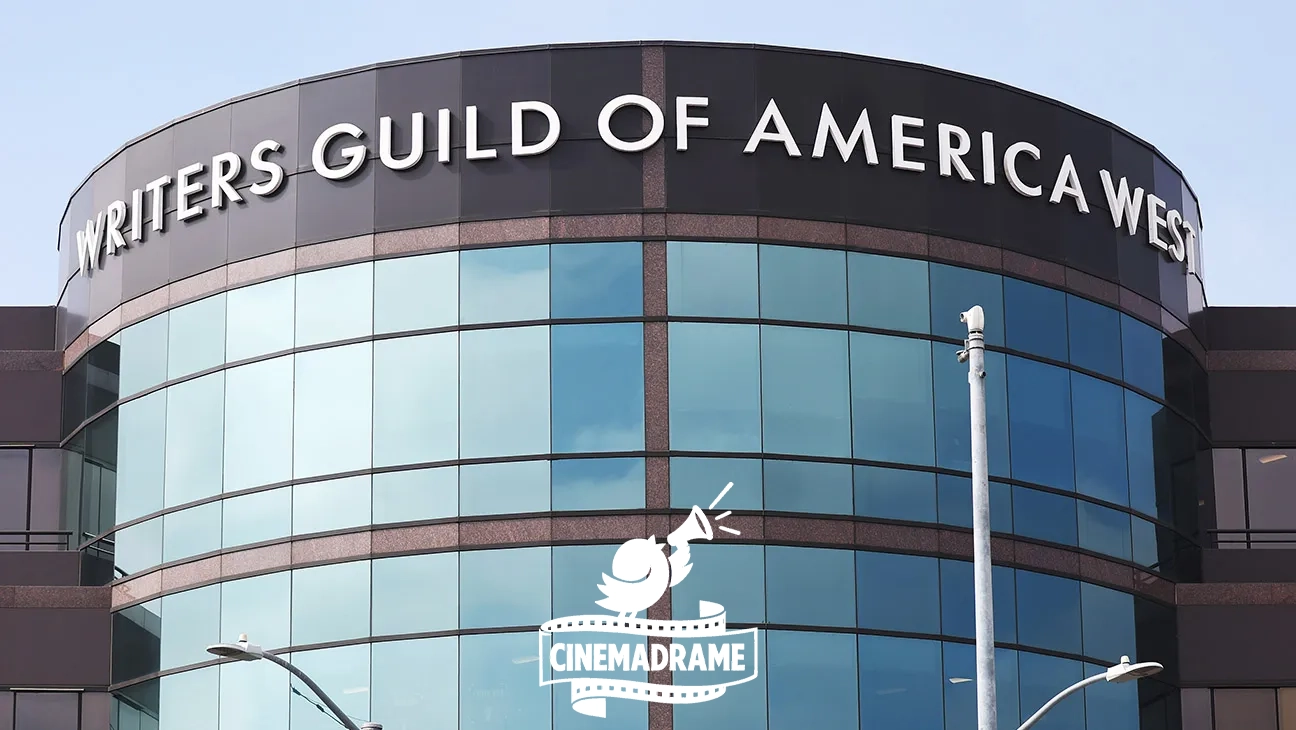
The Writers Guild of America on Wednesday released details of the unexpected four-year deal that union leaders reached over the weekend with studios and streaming platforms. Under the tentative agreement, $321 million will be injected into the union’s struggling health plan, domestic and international residuals will increase, and provisions regarding the use of writing for artificial intelligence training have been added.
The agreement also increases minimum payments by 10.5% over four years, improves streaming success bonuses, and raises secondary payments for screenwriters.
Union leaders wrote to members on Wednesday: “We thank you for your support throughout these negotiations. We felt that support every day, and this outcome would not have been possible without the strength and solidarity this membership is known for.”
The boards of WGA West and WGA East unanimously approved the deal on Tuesday. Members of the guild are scheduled to vote on ratification between April 16 and April 24.
Rebuilding the health plan was the central issue in this round of negotiations—a plan that faced a combined $122 million deficit in 2023 and 2024. The shrinking traditional film and television industry, along with rising healthcare costs, had placed significant pressure on the plan’s finances.
Under the agreement, the hundreds of millions of dollars injected into the plan represent the largest benefit increase in the union’s history. Much of this increase comes from higher earnings thresholds that determine eligibility for health coverage contributions. For example, the film project earnings cap will rise from the current $250,000 to $400,000 by May 2, 2028. According to a source familiar with the studio side, these caps had not changed in decades, which contributed to the deal being finalized within just three weeks.
The agreement also raises health plan contribution rates by 3.25% in the first year and 0.5% in the second year, bringing the rate to 16.75% by that point. Additionally, $25 million will be transferred from the maternity leave fund into the health plan. The guild assured members that the maternity fund will still have sufficient resources to cover benefits.
However, these changes are accompanied by some benefit reductions. Starting in 2027, active plan members will pay a $75 monthly premium instead of paying no premium. Deductibles and out-of-pocket maximums will increase, and changes will be made to out-of-network mental health reimbursement. Also beginning in 2027, the minimum income required to qualify for health coverage will rise from $46,759 to $53,773.
According to WGA documents, writers did not fully secure what they had sought in the area of artificial intelligence—namely direct payment when their works are used to generate outputs in generative AI systems. However, companies will be required to notify writers in writing if they license scripts for use in training commercial AI systems. The union will also have the right to request bargaining over such agreements, which could include compensation for writers.
As is typical in union contracts, the agreement also includes wage increases for writers. Most minimum payments will rise by 1.5% in the first year and by 3% annually in years two through four. Residual base rates for high-budget streaming projects, both domestic and international, will increase by 2.5% in 2027 and again by 2.5% in 2029.
Successful streaming platforms such as Netflix, Amazon, and Disney+ will also pay higher foreign residuals; these payments will increase by 6% in the first year and continue to grow in line with base residual rates in subsequent years.
Streaming success bonuses will also rise starting in 2027, with projects viewed by 20% of a platform’s subscribers qualifying for a bonus equal to 75% of domestic and foreign residuals (up from the current 50%).
For screenwriters, “step deal” payments for being hired to rewrite first drafts will increase from 200% of minimum pay to 225%. A new minimum rate will also be established for so-called “page one” rewrites, set above standard rates for such projects.
Starting in 2027, television writers will be subject to a new rule under which non-exclusive “if/come deals” will only be allowed after an initial payment is made to the writer by the company. Format fees will rise by 42%, and episode count protections will be expanded to include more writers.
The tentative WGA contract has a four-year term, marking a significant shift from the previous three-year standard. As previously reported, the Alliance of Motion Picture and Television Producers (AMPTP) had pushed for a longer agreement to bring stability to the industry following the 2023 dual strikes. For the guild, however, agreeing to a longer deal amid industry consolidation and rapid AI development was considered a risk.
The Writers Guild and AMPTP officially announced the agreement on Saturday evening, after multiple outlets including The Hollywood Reporter reported that a preliminary deal had been reached earlier that day.
Ellen Stutzman, WGA West’s executive director, led the negotiations for the guild, alongside John August and Daniel Sanchez-Witzel as negotiation committee chairs. On the studio side, AMPTP president Greg Hessinger represented the studios and streaming platforms.