A series that should be watched in 65mm quality: Season 2 of “Beef”
[This article contains spoilers from Season 2 of “Beef”]
According to the CinemaDrame News Agency, cinematographer James Laxton has spoken about the expanded visual scope of Season 2 of “Beef” and a shot that brings all the characters together in a single frame.
Lee Sung Jin, the creator of the series, and his team successfully depicted the pain and consequences of poor, cascading life decisions in Season 1 of “Beef.” In Season 2, the series has expanded in every respect, including its cinematography, which was handled by James Laxton for this installment.
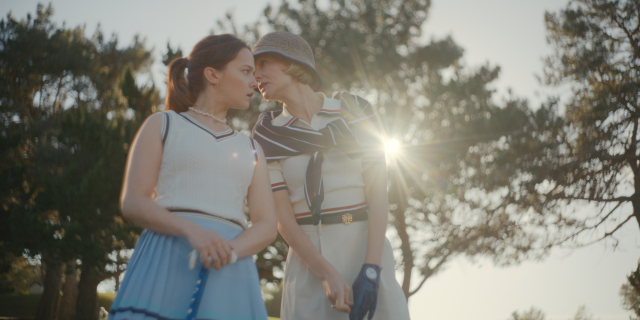
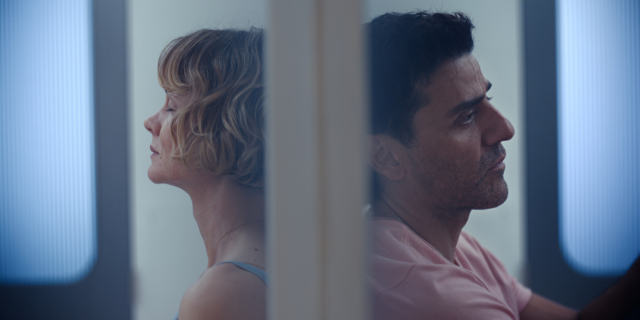
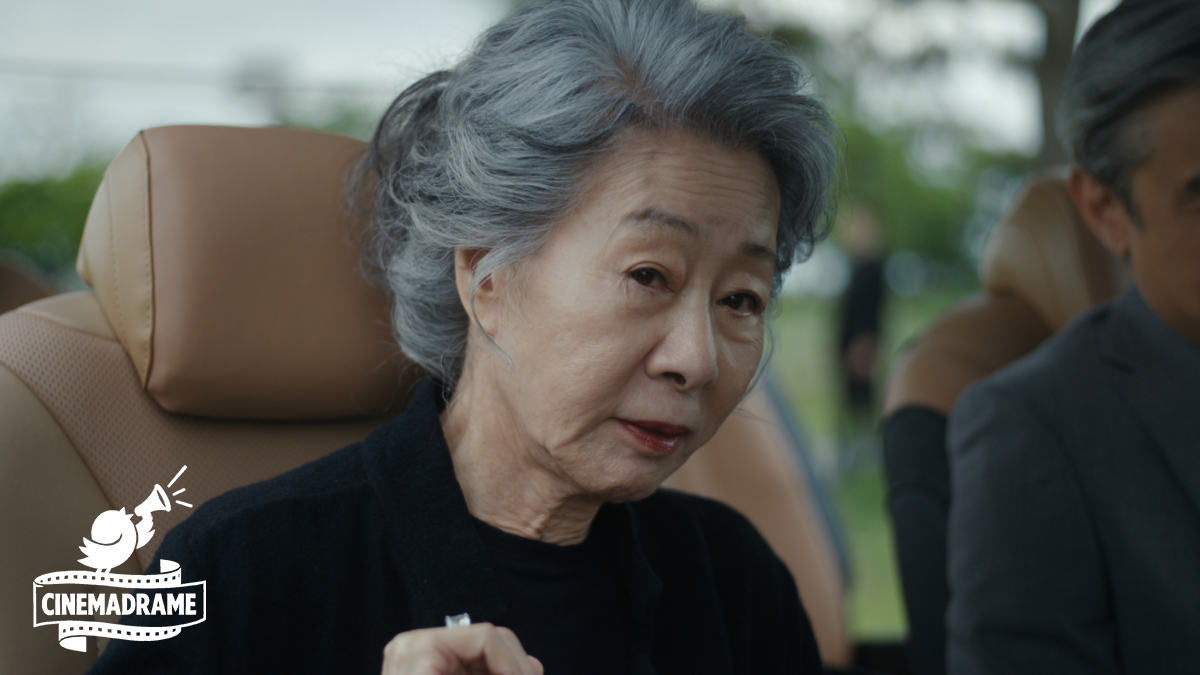
Laxton, who replaced Season 1 cinematographer Larkin Seiple, aimed to preserve the same approach to portraying power dynamics between characters through framing, lighting, shot scale, and camera movement. However, since Season 2 follows several pairs of characters—Josh Martin, the private club manager played by Oscar Isaac, and his wife Lindsay Crane-Martin, a dissatisfied designer played by Carey Mulligan; club employees Austin, played by Charles Melton, and Ashley, played by Cailee Spaeny; and the club’s new owner, President Park, played by Youn Yuh-jung, along with his wife Dr. Kim, played by Song Kang-ho—Laxton chose a camera system that would allow the largest possible imaging format.
He explained that they used the ARRI 265 camera and were likely the first long-form television production to shoot with it. The camera features a 65mm sensor, a format that has existed for a long time. However, it provides the same visual scale Laxton had previously experienced in films such as “If Beale Street Could Talk,” while its compact size allowed for quick transitions between shooting modes, from Steadicam to handheld and studio setups.
Although streaming productions are becoming increasingly cinematic, speed and efficiency remain crucial in television production. This camera choice allowed Laxton to focus on one of the key creative challenges of Season 2: creating intimacy with each character and offering a perspective through which their relationships—whether forming or collapsing—can be observed. He also needed to guide the audience through each character’s point of view within a complex web of emotions and intentions.
Part of this goal was achieved using a set of ARRI DNA lenses. Laxton describes them as a beautiful combination of modern clarity and classic character, creating a complete visual feel. This blend moves between eras, which he sees as reflecting the generational cycles and themes central to the story. His aim was for the image to feel neither too old nor fully modern, but rather as if multiple generations exist within it simultaneously.
However, the right equipment is only part of the process. Laxton also conveys the sense of generational conflict and cyclical repetition through precise composition, similar to what appears in Lee Sung Jin’s writing, where the struggles of Austin and Ashley are not far removed from those of Josh and Lindsay. Perhaps this is the fate of couples who enjoy the film “Aftersun.”
This cyclical feeling is most evident in the final shot of the season, which begins with President Park at the grave of his first wife and then rises into an image resembling a cycle of life, placing all the characters within a single frame—each at different stages, yet all part of one whole. Laxton says the series is fundamentally about generations and their connections. That is why all characters needed to be seen simultaneously, offering a broader view of each life. The best way to achieve this was through an observational approach: not getting too close to any single character, but maintaining a distance that allows the audience to understand the full scope of the interconnected stories.
Season 2 of “Beef” is now available on Netflix.