Nancy Patton; from managing the largest film projects in the UAE to evacuating the region due to war
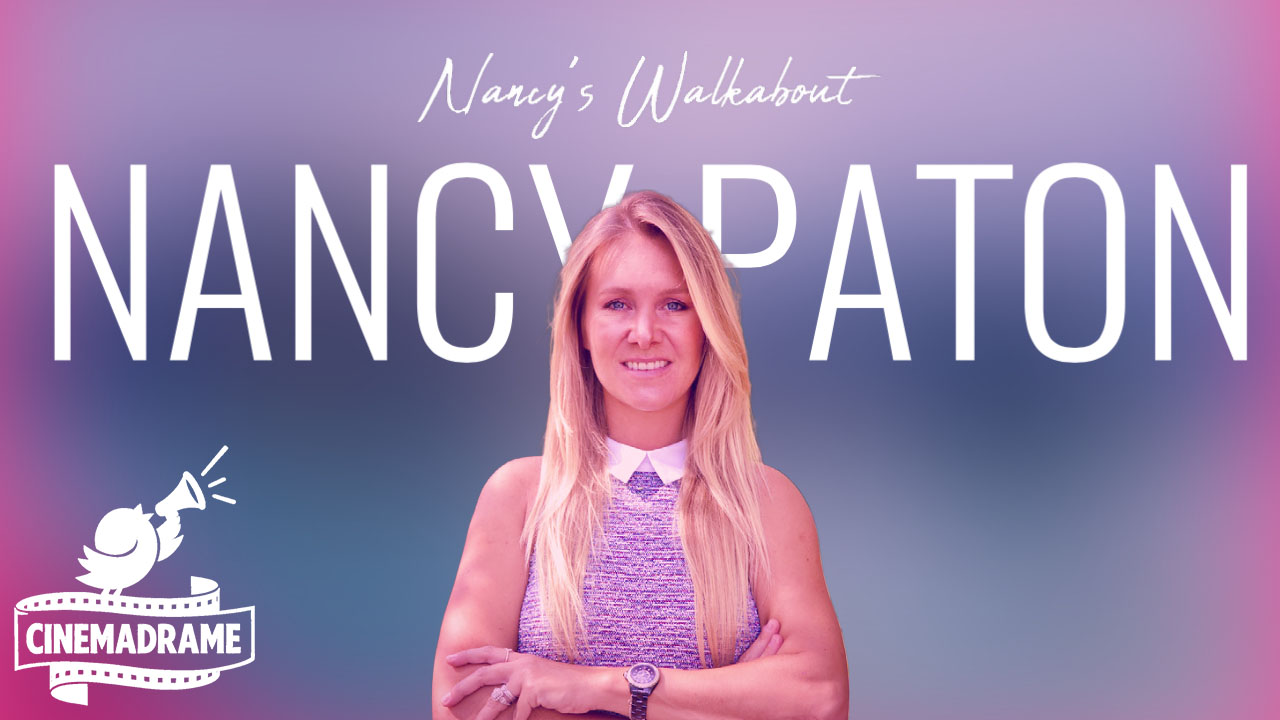
According to the CinemaDrame news agency, Nancy Patton, a Polish-Australian filmmaker who has been at the forefront of cultural developments in the Middle East for over a decade, revealed in a recent interview with The Hollywood Reporter the sudden challenges caused by recent regional tensions. Patton, founder of “Desert Rose Films” in Abu Dhabi, has now been forced to leave the region and temporarily relocate to Cannes, France, after years of efforts to strengthen the role of women in the Gulf film industry.
In the interview, she explains how, following the outbreak of conflict in the region and the escalation of tensions near her residence in Abu Dhabi, she was forced to evacuate with her family. Patton says: “We have been based in Abu Dhabi for eight years, and my children, who were born in Saudi Arabia, have fully built their identity around this region. Despite significant investments there, we had to temporarily relocate for the safety of our family.”
Direct impact of tensions on film projects
Patton, who was scheduled to begin filming a feature project in Abu Dhabi in April, has had to postpone it.
- Production halt: Filming of a Romeo-and-Juliet-inspired love story, which was planned with British actors in Abu Dhabi, has been postponed to October.
- Suspension of international collaborations: Due to the current situation, international actors and stars are currently reluctant to travel to the region, and many joint projects have been put on hold.
- Shift toward local talent: Patton is now considering producing “micro-dramas” (short, low-budget works) in order to utilize local talent that has remained in the region and keep the industry active.
Concerns about the future of the Gulf’s emerging film industry
Nancy Patton believes that cinema has recently been recognized as a “strategic asset” in countries like Saudi Arabia and the UAE, and even traditional investors who previously focused only on technology have begun investing in film intellectual property (IP). She fears that continued conflict could destroy a decade of progress.
She says: “Cinema is not just entertainment; it is a tool for tourism and cultural representation. With our film ‘Mountain Boy,’ we attended 44 festivals and met people who didn’t even know where Abu Dhabi was on the map, but became interested after watching the film.”
Patton hopes that once a ceasefire is established, professionals and artists who have left the region will return, as rebuilding human infrastructure and restoring confidence in the entertainment market is the most time-consuming part of any post-conflict recovery.