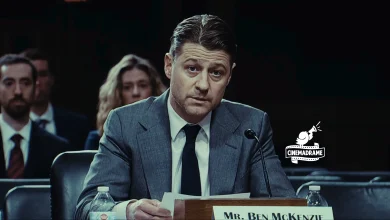
Court Hears States’ Motion to Block Paramount-Warner Bros. Merger; Judge to Rule Shortly
According to CinemaDrame News Agency, a federal judge heard arguments on Friday from a coalition of states seeking a temporary restraining order to halt the merger of media giants Paramount and Warner Bros. Discovery. The judge announced that a ruling would be issued by next Wednesday. During the hearing, Judge Araceli Martínez-Olguín noted that Paramount appeared to concede that a 28-day temporary halt to the deal would not cause the company irreparable harm.
The coalition, led by the state of California alongside 11 other states, is seeking to block the merger, arguing that the deal would severely damage healthy competition in both the theatrical and cable television markets. Conversely, Jeffrey Kessler, lead counsel for Paramount, argued that the states failed to provide the necessary evidence to demonstrate that the deal is anti-competitive. Pointing to the recent success of films like Apple’s F1 and Amazon MGM Studios’ Project Hail Mary, Paramount claimed that the theatrical market remains open to new players and competitors.
“In this industry, talent is completely fluid; actors, writers, and directors move easily from one studio to another,” Kessler told the court. However, James Weingarten, representing the states, countered Paramount’s claim by pointing out that F1 is actually being distributed by Warner Bros. itself—a fact he argued demonstrates the consolidated power of the market’s legacy players. “That is the power of the Big Five Hollywood studios,” Weingarten said. “Apple is not in the movie business; their business is selling cell phones and laptops.”
The judge appeared receptive to the states’ arguments regarding market monopoly complexities. Referencing Paramount’s own filings, she questioned the company’s counsel: “Why doesn’t this evidence itself demonstrate that there are serious questions regarding the legality of this merger?” She also highlighted the immense difficulty of unscrambling the two corporate entities if the merger were to proceed now but be declared illegal in the future.
The case faces a tight financial deadline; starting September 30, if the transaction is not finalized, Paramount will be required to pay investors a daily penalty of $7 million.
The states contend that the merger will lead to higher prices and reduced production, ultimately harming theater owners, satellite providers, and consumers. According to their lawsuit, the merged entity would control 30% of the market for “highly anticipated blockbuster films” and own 50 of the 189 major cable networks—a market that Weingarten noted hasn’t seen a single new network launch since 2020, highlighting severe barriers to entry for new competitors.