Phil Lord and Christopher Miller, Directors of “Project Hail Mary,” Return with Extra Motivation—But Not for the Reason You Think
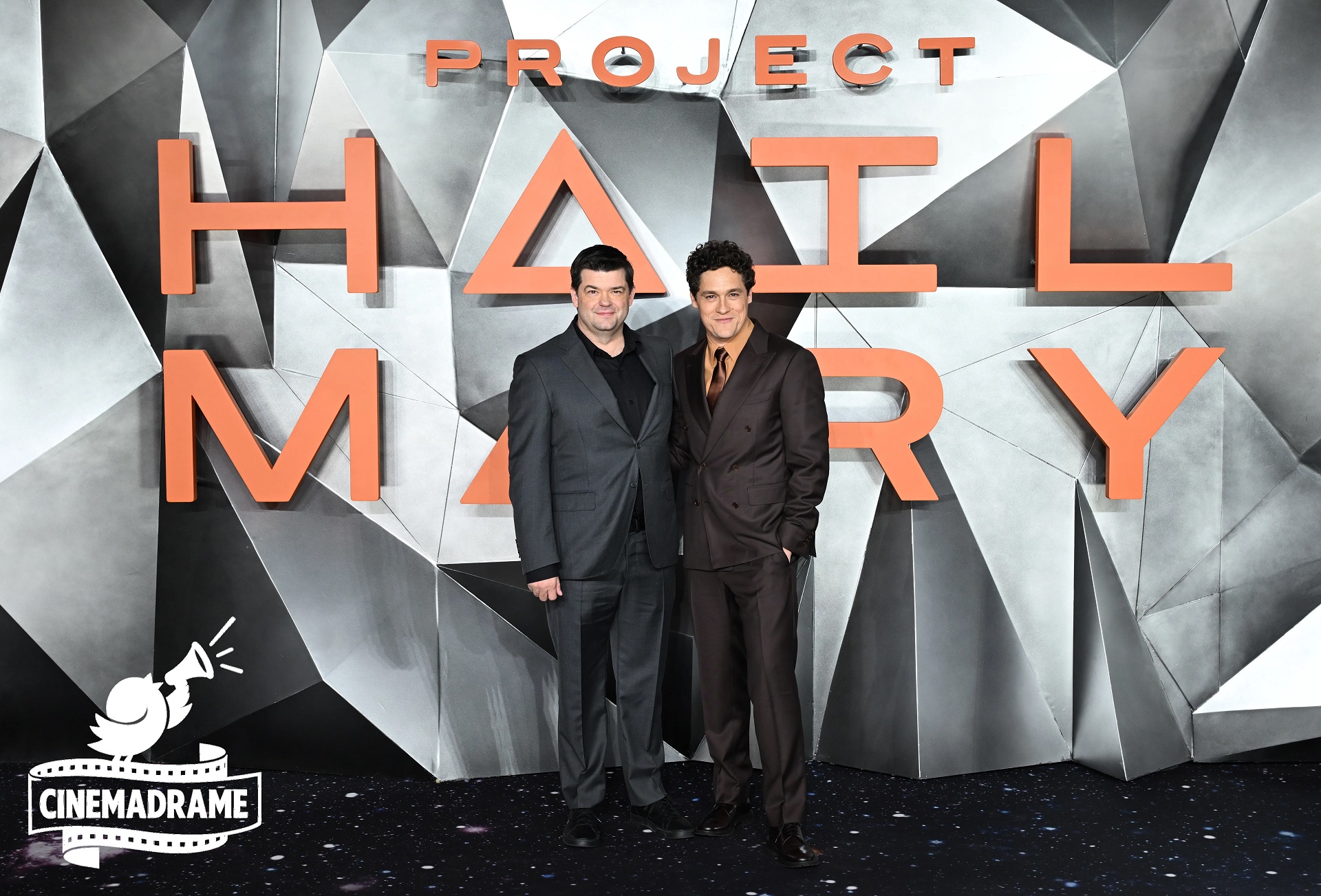
According to CinemaDrame News Agency, after more than a decade away from the director’s chair, the filmmaking duo spoke with IndieWire about the challenges of adapting Andy Weir’s beloved novel, making audiences fall in love with a talking rock-like alien, and the lessons they learned from Yoda.
Phil Lord and Christopher Miller have not directed a film released in theaters since 2014’s “22 Jump Street” (which arrived just four months after “The Lego Movie”). Considering how prolific they were at the time—and the 12-year gap leading up to their new project—this absence is striking.
Of course, there is the story of “Solo: A Star Wars Story” and their departure from the Star Wars universe, which the duo prefer to move past. Still, their triumphant return with “Project Hail Mary” (which, at the time of writing, holds a 95% score on Rotten Tomatoes) cannot be fully appreciated without that context.
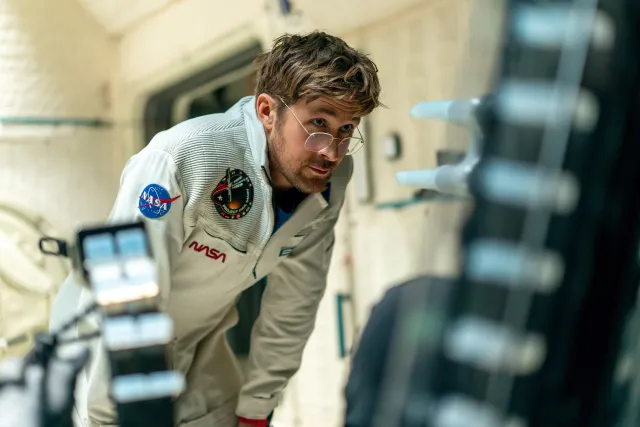
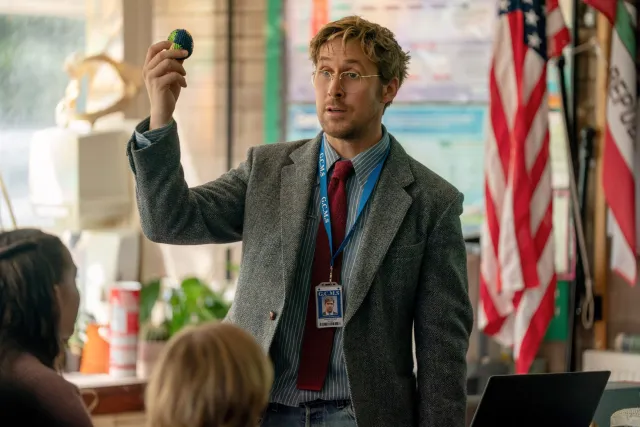
In “Project Hail Mary” (based on Andy Weir’s novel of the same name), Ryan Gosling plays Dr. Ryland Grace, a former scientist and current elementary school teacher who is recruited by a scientist named Eva Stratt (Sandra Hüller) due to his controversial theories about life, in order to investigate a group of microorganisms that are destroying the sun. Grace becomes the sole survivor of a one-way mission into deep space to save Earth, only to discover he is not alone and encounters an alien he names “Rocky.” Together, they must find a way to communicate in order to save their respective worlds.
Lord and Miller reject any suggestion that the film serves as a “cinematic revenge” against critics or those who doubted them. However, Lord admits that he often works with an extra sense of motivation—what he calls “a chip on his shoulder.”
IndieWire: Phil, you mentioned that you work with a kind of added motivation and that it’s helpful for you. Was that the main driver behind this film?
Phil Lord: (laughs) Look, that wasn’t the main motivation. I think we simply fell in love with Andy’s novel and the idea of working with Ryan Gosling. The puzzle of making audiences fall in love with a piece of rock with no eyes—that was the kind of challenge worth spending five years solving.
Christopher Miller: We felt this was a project where we could combine the spectacle of cinema with the intimacy of relationships that can make you laugh and cry at the same time.
From the outside, it looks like 12 years have passed since you last directed. Were you worried that if this film wasn’t exceptional, people might say you’re just great producers who forgot how to direct?
Lord: We feel that anxiety and fear with every project we take on. The standard we’ve always held ourselves to is “undeniable excellence.” That’s what audiences expect from you.
Miller: Especially when you’re making something original, the only way to succeed in the marketplace is to be great. If you’re not a little scared, it means you’re not pushing boundaries enough.
How did you avoid turning this into “The Martian 2,” given that both are based on Andy Weir’s books and set in space?
Lord: We’re not Ridley Scott, and if we tried to imitate him, we’d fail. One of my interests is that space should feel “messy.” Our spacecraft are full of wires and pipes—nothing is sleek or polished. We didn’t want space to feel sterile and cold; we wanted it to feel warm.
Miller: Unlike Mark Watney in “The Martian,” Ryland Grace is not a volunteer astronaut. He’s vulnerable, he’s scared, and he has to grow into becoming a hero. Ryan Gosling’s performance helped maintain that tone between comedy, drama, and horror.
About the character of “Rocky” (the rock-like alien): how did you make a creature with no face, eyes, or mouth lovable?
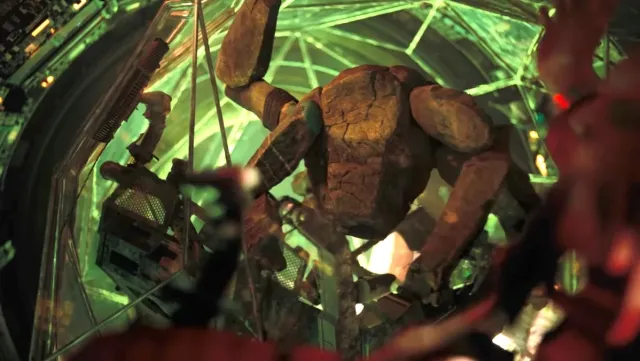
Lord: We didn’t want to take any shortcuts. His expression and emotion come through movement. Animation is storytelling through motion. We were confident that if we built an incredible puppet, the audience would project a character onto what seems like an empty surface.
Miller: He’s not “cute” in the traditional sense—a five-legged, spider-like rock creature. But the way he moves and his personality make him lovable. We even designed engravings on his body, each with a story—from a wedding ring to engineering markings. These give him cultural and historical depth.
He reminded me of Yoda—not the wise version, but the playful one we first saw in “The Empire Strikes Back.”
Lord: Exactly! He’s small but sees himself as big.
Miller: Neal Scanlan (the special effects designer) told us that the reason you believe Yoda is because Mark Hamill believes in him. He takes Yoda seriously. Here, Ryan Gosling was essentially the “sixth puppeteer.” His belief in and interaction with Rocky is what makes you believe in the character. When Ryan cares about Rocky, the audience cares too.
Amazon MGM Studios will release “Project Hail Mary” in theaters and IMAX on March 20, 2026.