A Direct Line from DEVO to Pixar’s “Hoppers”
According to CinemaDrame News Agency, acclaimed composer Mark Mothersbaugh told IndieWire that his music for Pixar’s latest hit “Hoppers” represents a natural continuation of ideas he first explored in the 1970s and 1980s as a member of the influential band DEVO.
In the 1970s, Mothersbaugh helped form DEVO around the concept of “de-evolution,” a satirical critique of humanity—particularly American society. As a student during the Kent State shootings, he witnessed what he saw as a civilization moving in the wrong direction. He told IndieWire: “DEVO was always about the idea that humans are the only species not in sync with nature and the planet.”
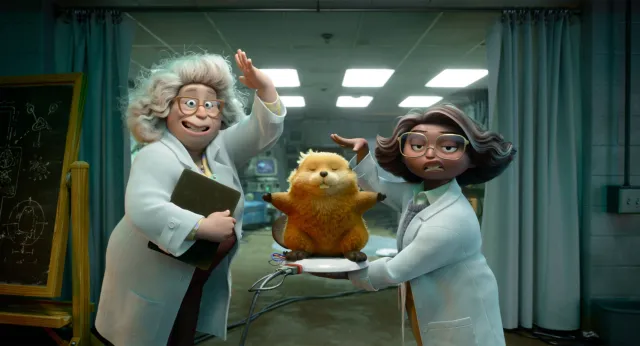
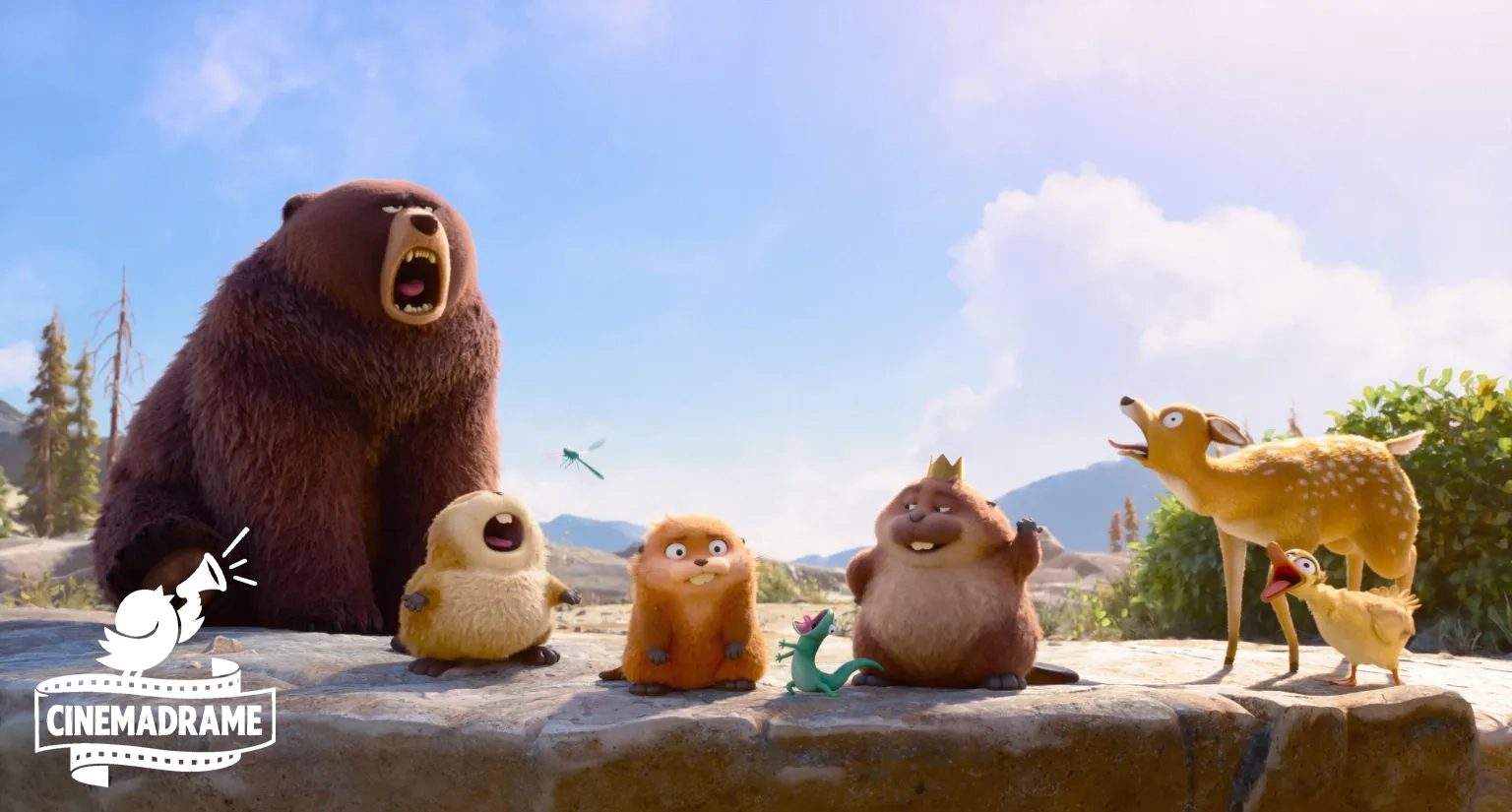
So it was no surprise that when he was approached to compose the score for Pixar’s “Hoppers,” he immediately agreed. The film—a comedic action story about animals (and a human pretending to be one) working to protect their habitat—aligned closely with his long-standing thematic interests. “I think this film presents a great depiction of ecological balance without ever yelling at anyone,” he said.
Mothersbaugh has composed hundreds of hours of music for family entertainment, including franchises such as “Hotel Transylvania,” “The Lego Movie,” and the TV series “Rugrats.” However, despite his extensive animation experience, “Hoppers” marks his first feature collaboration with Pixar. He said: “I was really lucky they chose me. Pixar is unlike any other studio; it feels very intimate, almost like a family.”
This is also his first feature collaboration with director Daniel Chong. Mothersbaugh worked on the score over six months, between tours with DEVO. “I love the two hours I’m on stage, but the rest of touring can be awful—you’re just waiting in hotels or traveling. But if I have my laptop and keyboard, I can write in the hotel room and the day goes by fast.”
He believes today’s composers often have more time to write, but that isn’t always beneficial. During the pandemic, schedules stretched so long that artists often returned to their original early drafts. He recalls the intense pace of scoring “Pee-wee’s Playhouse,” where music had to be written and recorded in just four days to air on Saturday morning.
Mothersbaugh emphasized the importance of music in animation: “In animation, you carry more responsibility than in live-action. In the real world, every leaf on a tree moves and feels alive, but in animation—even at its highest quality—it’s the music that injects human emotion.”
He also highlighted the role of live orchestras: “When 90 or 100 people sit in a studio and play, their breathing and the blood in their veins bring animation to life. Every recording is slightly different, and those small human variations are what give it value.”
One of his favorite moments in “Hoppers” is a quiet scene between the protagonist Mabel and her grandmother, where the music gently enters and deepens the emotional connection between them.
“Hoppers” is now playing in theaters.