YouTube’s Pedro Pina: Our Platform Can Fuel British TV’s Next ‘Golden Age’ / Announces $4M Investment Commitment and Insists “YouTube Is Not the Villain”
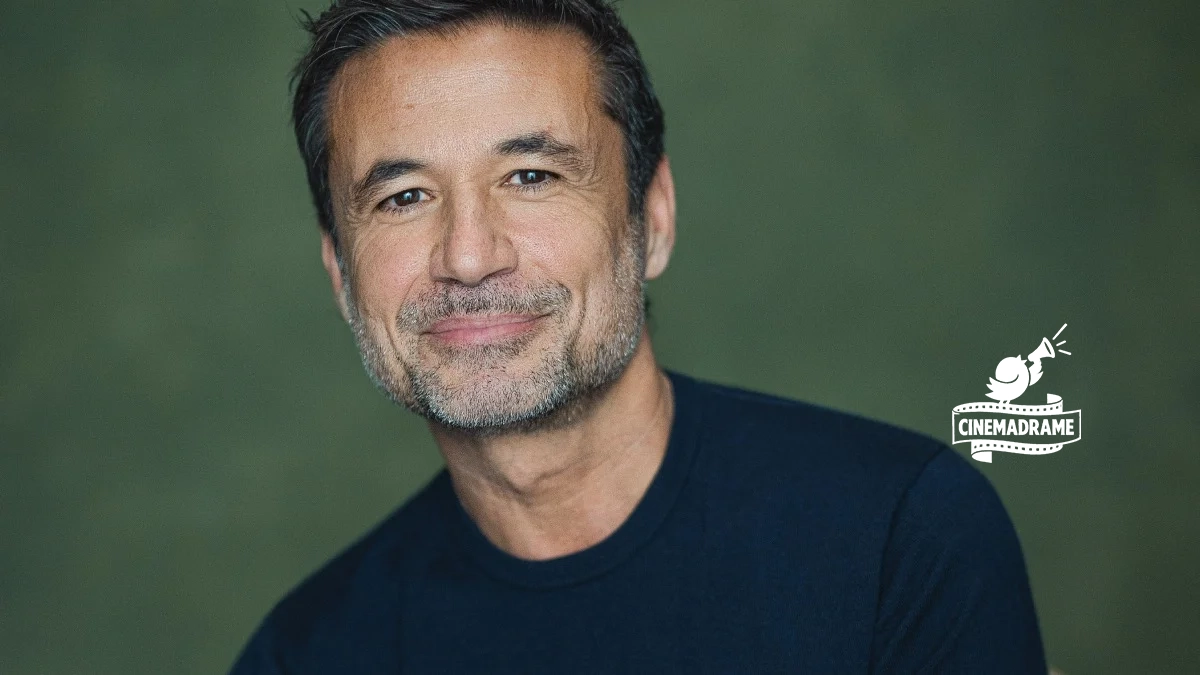
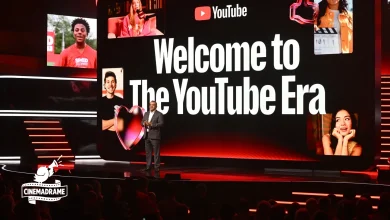
According to CinemaDrame News Agency, Pedro Pina, YouTube’s Vice President for Europe, Middle East, and Africa (EMEA), challenged claims that the video platform is responsible for the decline of the British television industry during his keynote presentation at the James MacTaggart Memorial Lecture at the Edinburgh TV Festival. Instead, he argued that YouTube is injecting more talent, audiences, and revenue into the sector than ever before. To back up his claims, he announced a new £3 million ($4 million) funding commitment to the UK screen industry.
The address comes at a pivotal moment for YouTube in Europe, as the European Commission reviews rules governing the audiovisual sector to create a level playing field between traditional media organizations and newer digital services. This regulatory push has reopened debates over whether platforms like YouTube should face similar obligations to traditional broadcasters and streaming services, including mandatory investments in European content creation.
Netflix has been among the companies urging regulators not to treat YouTube differently from other streaming players. Earlier this year in Brussels, Netflix co-CEO Ted Sarandos argued that YouTube has become a “direct competitor” to SVOD streaming platforms.
Against this backdrop, Pina’s speech sought to frame YouTube as a partner to the television industry rather than a tech giant cannibalizing its audience and economic value.
Pina likened current industry narratives of decline to a “well-scripted tragedy” in which traditional British television is the fallen hero and online platforms are the main antagonist. “It’s a powerful, emotional story,” Pina said. “The trouble is that it is not true.”
The $4 million investment will be spent over the next three years to support new entrants and upskill mid-career professionals in the screen industry. YouTube will also deepen its partnership with the National Film and Television School (NFTS) and scale up its Creator Incubator support program by 10 times.
The Portuguese-born executive, who noted he grew up watching British television, drew a comparison to the birth of photography and its impact on the world of painting, which ultimately benefited the art form. “Photography didn’t destroy visual art; it helped the medium mature,” he noted.
He suggested that YouTube and traditional TV are experiencing a similar dynamic and urged program makers and networks to “focus on what television does best.”
Pina asserted that the UK may be on the verge of a third golden age of television, claiming YouTube is a key driving force behind this growth by expanding creative talent and audience demand.
He noted that previous golden ages of TV were born out of disruption rather than stability. The rise of television in the 1950s forced Hollywood to adapt, while the expansion of cable and satellite channels in the 1980s and 1990s brought fears of falling quality.
Pointing to series like The Sopranos, The Wire, and Breaking Bad, he noted: “In reality, more competition meant more appetite for risk-taking and more room for new voices.”
Furthermore, YouTube talent is increasingly being tapped by television producers, who have recognized that the platform has effectively become “a database of emerging talent.” He cited figures like Nella Rose and Amelia Dimoldenberg, who transitioned into mainstream TV hosts, as well as George Clarke appearing on Strictly Come Dancing and Angry Ginge winning I’m a Celebrity…Get Me Out of Here!, alongside filmmakers who launched their careers on YouTube.
He stated that 75 percent of UK creators who say they have a career in media and entertainment started out on YouTube.
Pina also revealed that YouTube supports more than 45,000 full-time jobs in the UK and contributes over £2.2 billion ($2.9 billion) to the UK’s GDP.
Addressing criticisms over the platform’s lack of direct content commissions, Pina highlighted YouTube’s revenue-sharing model, noting: “YouTube shares more than half of advertising revenue with creators on a video-by-video basis.”
He also highlighted successful broadcaster partnerships, such as clips of the BBC series Gavin & Stacey driving millions of views across YouTube channels for BBC Studios, the BBC, and BritBox.
With YouTube facing increased scrutiny in Brussels, the speech served clear lobbying objectives. Pina pushed back against proposals for “forced prominence” of public service media on digital platforms, warning that such measures could hurt independent creators and production companies. He added that audiences naturally navigate between broadcast television, streaming services, and online video.
For Pina, the greater danger lies in an industry acting too defensively to adapt. “A story is unfolding before our eyes,” he concluded. “It is not a tragedy. YouTube is not the villain of this story… The next chapter of British TV will not be a tragedy, but an epic.”