$500 Million Exit: David Zaslav on the Verge of Leaving Warner, but Still Willing to Stay Longer

According to the CinemaDrame News Agency, whether David Zaslav has truly saved Warner or is on the verge of destroying it has become one of the most heated and controversial debates in Hollywood. This dispute has intensified as Paramount Skydance moves closer to acquiring Warner Bros. Discovery — the parent company of Warner, HBO, HBO Max, CNN, TNT, HGTV, and several other brands. The deal, which was agreed in February at a valuation of around $110 billion, has faced a wave of organized opposition from Hollywood’s creative community, as well as regulatory scrutiny in California and several other states.
What has fueled the outrage is that Zaslav, CEO of Warner Bros. Discovery, is expected to exit the company with at least $550 million as part of the deal after four years at the helm — a figure that comes on top of $116 million in vested stock he previously received.
For many, such massive payouts appear deeply unfair at a time when hundreds or even thousands of jobs are expected to be cut as the merger of Warner, HBO, and the group’s cable networks with Paramount’s existing operations begins. Zaslav has now become, for many, a symbol of a changing Hollywood — one where jobs and budgets are sacrificed in mergers and consolidation efforts that ultimately enrich only a small group within the corporate structure.
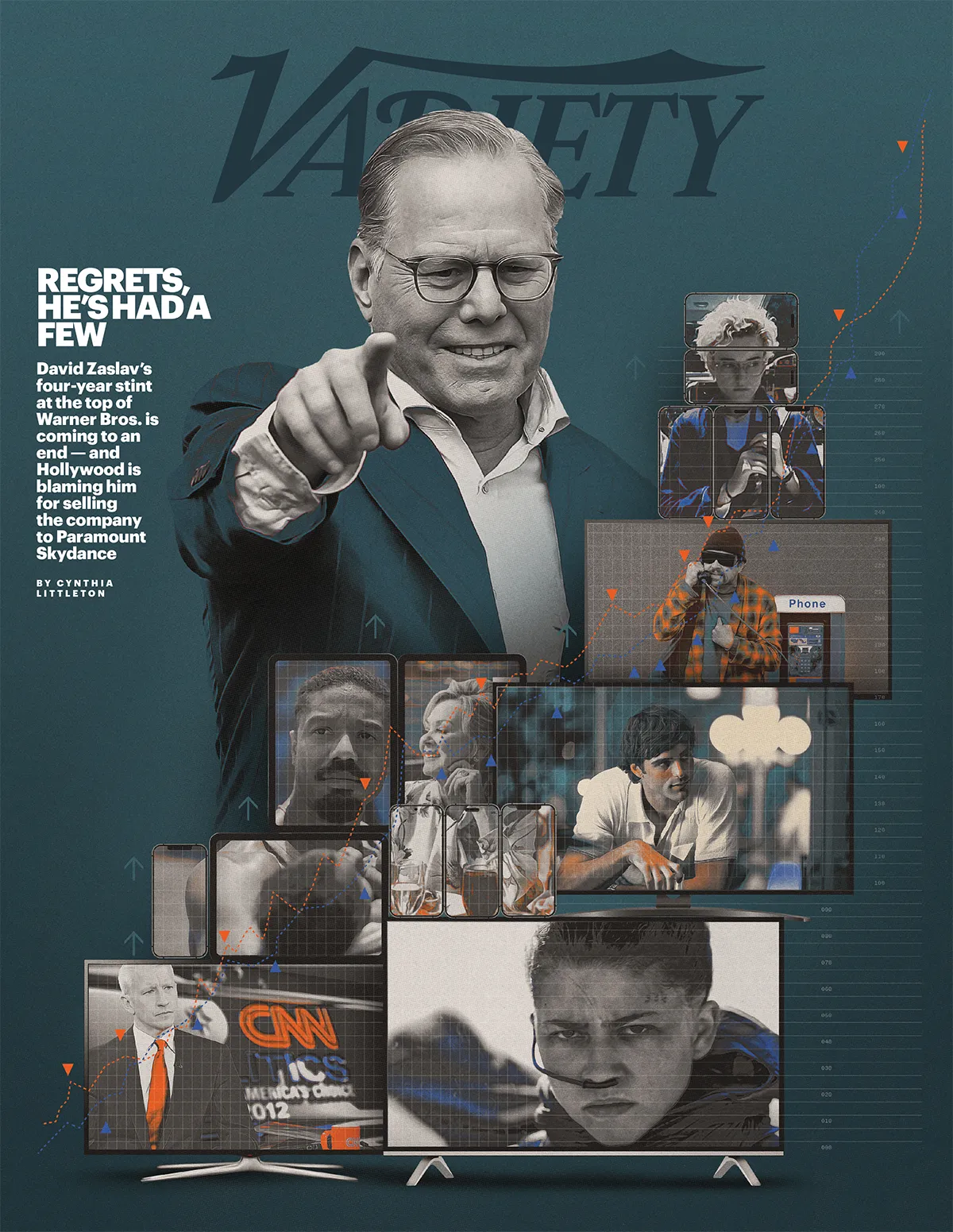
Employees of Warner Bros. and HBO have experienced three mega-mergers over the past eight years: first, the sale of Time Warner to AT&T in 2018; then the merger of AT&T-owned WarnerMedia with Discovery in 2022; and now the ongoing divestiture to Paramount Skydance, which is expected to be finalized by the end of the year. In the 2018 and 2022 deals, these transactions were financed with heavy debt—liabilities that ultimately placed significant pressure on the company. The new Paramount Skydance agreement once again transfers that debt. If the deal receives approval from federal regulators and shareholders, the resulting company will carry approximately $79 billion in debt.
One rival studio executive says: “He’s like the undertaker in charge of a funeral home who has dressed up the body so it looks acceptable for the ceremony—good enough to be sold—and now he’s walking away with half a billion dollars from the whole thing. It’s unbelievable.”
David Zaslav is currently not commenting due to regulatory scrutiny of the deal. Companies are also awaiting a shareholder vote on April 23 to approve the agreement. However, sources say that if he were speaking freely, he would likely sympathize with those who are about to lose their jobs. Because if it were up to the 66-year-old CEO—even with a $550 million payout—he would prefer to defer the reward and remain CEO of Warner Bros. and HBO for a few more years. He has spent two years improving and restructuring the company he acquired in 2022, and it has only recently reached strong performance.
More than six sources close to Zaslav say he has barely been able to hide his dissatisfaction with the circumstances that forced the sale—circumstances driven by aggressive bids from Paramount Skydance’s David Ellison in the fall and winter of last year.
David Geffen, an investor in the company, says: “If you ask him whether he’d rather keep his job or take the money, there’s no doubt—he’d choose the job. I truly believe that.”
Geffen, one of the most prominent figures in the entertainment and investment world, will make more than $700 million from selling his stake in the deal. In 2022, he believed in Zaslav’s ability to revive Warner Bros. and HBO, which were loss-making at the time, and purchased 30 million shares at an average price of $7.40. If everything proceeds as planned, the deal will pay shareholders $31 per share in cash by the end of the year.
Geffen points to Warner Bros. Pictures’ recent box office success and strong awards-season presence at the Oscars with films such as “One Battle After Another” and “Sinners” as evidence of the studio’s creative turnaround. The television studio has also remained active despite major industry shifts and plans to launch an ambitious “Harry Potter” series in December. Zaslav is also credited for bringing in new executives to lead Warner Bros. Pictures and DC Studios.
“He has put the company in a much stronger position than in recent years,” Geffen says.
Financial restructuring carried out by Zaslav’s team made the studio attractive to powerful buyers such as Netflix, Paramount Skydance, and Comcast. Netflix had agreed on December 5 to acquire Warner Bros. and HBO in an $83.7 billion deal, but by February 26 that agreement was set aside in favor of Paramount’s bid. The company also managed to reduce $24 billion of the $54 billion debt inherited from AT&T in 2022 through strict financial discipline.
Four years later, Geffen says, Zaslav had “very professional and successful buyers” interested in the business due to achievements made in a relatively short period of time.
Over the past four decades, Hollywood has witnessed waves of transformative mergers and acquisitions, beginning with the 1990 merger of Time and Warner that formed Time Warner—the world’s largest media company at the time—and triggering a long era of consolidation in the entertainment industry that continues today.
Looking at Warner Bros.’ deal history since 1990, some may take a pessimistic view, seeing it as a complex cycle of buying and selling—adding companies to strengthen cash flow and sustain operations until the next opportunity for financial engineering emerges.
The sale of Warner Bros. and HBO is concerning for the industry, as it raises questions about the future of high-quality film and television production and distribution. If Warner Bros. alone cannot generate sustainable profits in Hollywood, which company can?
Doug Crutz, a senior media analyst at an investment bank, says: “If you look at the past decade, those who have sold media companies have made smarter decisions. But the buyers have looked less successful.”
From the very beginning of the company’s formation in 2022, Zaslav knew that the group would eventually be sold in the not-too-distant future. However, he had hoped to do so differently, by breaking up Warner Bros. Discovery in a way of his own design. But his plans—even in the face of a serious Netflix bid—fell through due to Ellison’s determination to acquire the company and the regulatory framework governing the sale of publicly traded firms like this one.
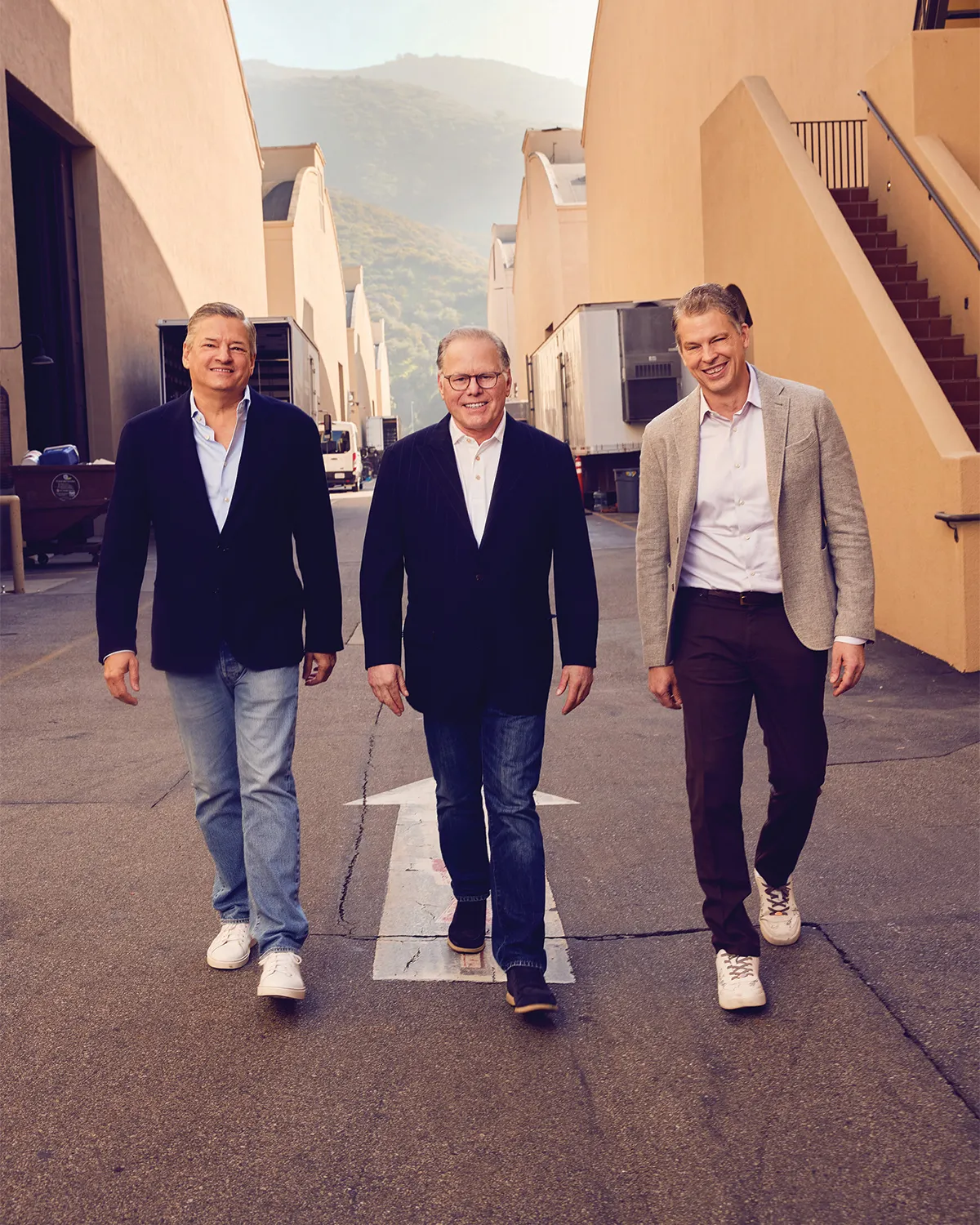
Joe Pollici
A source close to David Zaslav says that in late 2025 and early 2026, they rejected, by any means necessary, the proposals put forward by Ellison as well as those of his powerful father, Larry Ellison.
Zaslav and Warner Bros. Discovery’s board had previously outlined a vision for running the company independently. In this context, a plan was set in motion to separate its traditional cable networks — including CNN, TNT, TBS, Discovery, HGTV, Food Network, and Investigation Discovery — from Warner Bros. Studios, HBO, and the HBO Max streaming platform.
The company was effectively following the model of NBCUniversal, where studio and streaming assets were separated from traditional cable networks, as those networks have become a growing burden for companies in a future defined by streaming. In January, Comcast, the owner of NBCUniversal, completed the separation of its cable networks, including USA Network, CNBC, MSNBC, Syfy, and E!, spinning them off into an independent company called Versant Media. Warner Bros. had also intended to take a similar path with its own cable networks.
As a result, in June 2025, the board renewed Zaslav’s employment contract so he would lead the new structure of Warner Bros. and HBO. Under this agreement, he accepted a significant reduction in his cash salary and annual bonus in exchange for 25 million stock options. It was a strategic move, as the cable network separation plan was likely to boost the company’s stock value, distancing Warner Bros. and HBO from the gradual decline of traditional cable. In addition, since finalizing the merger with AT&T in 2022, Zaslav had been aware that the company could potentially become an acquisition target in the future.
The stock options granted to Zaslav last year were issued when the company’s share price was in the low $8–$10 range. If he could not raise the share price above $10 within five years, the options would effectively become worthless. However, starting from such a low base, he was confident the stock would surpass that threshold by 2030. This was especially true given expectations that HBO Max would reach 150 million global subscribers by the end of the year, up from around 90 million at the end of 2022.
However, once Zaslav and other board members began seriously reviewing Ellison’s proposals and the detailed inquiries from his bankers, the timing of any potential sale was no longer entirely under his control. Unlike Rupert Murdoch or Shari Redstone, Zaslav is a hired CEO. He does not hold controlling voting power or super-voting shares in the 13-member board, although he is one of its members. Legally, the board was also obligated to respond to serious acquisition proposals, or risk shareholder lawsuits. As a result, with Ellison entering the process, companies like Netflix and Comcast were also compelled to put forward their own bids, as the company’s assets were considered highly valuable and strategically significant.
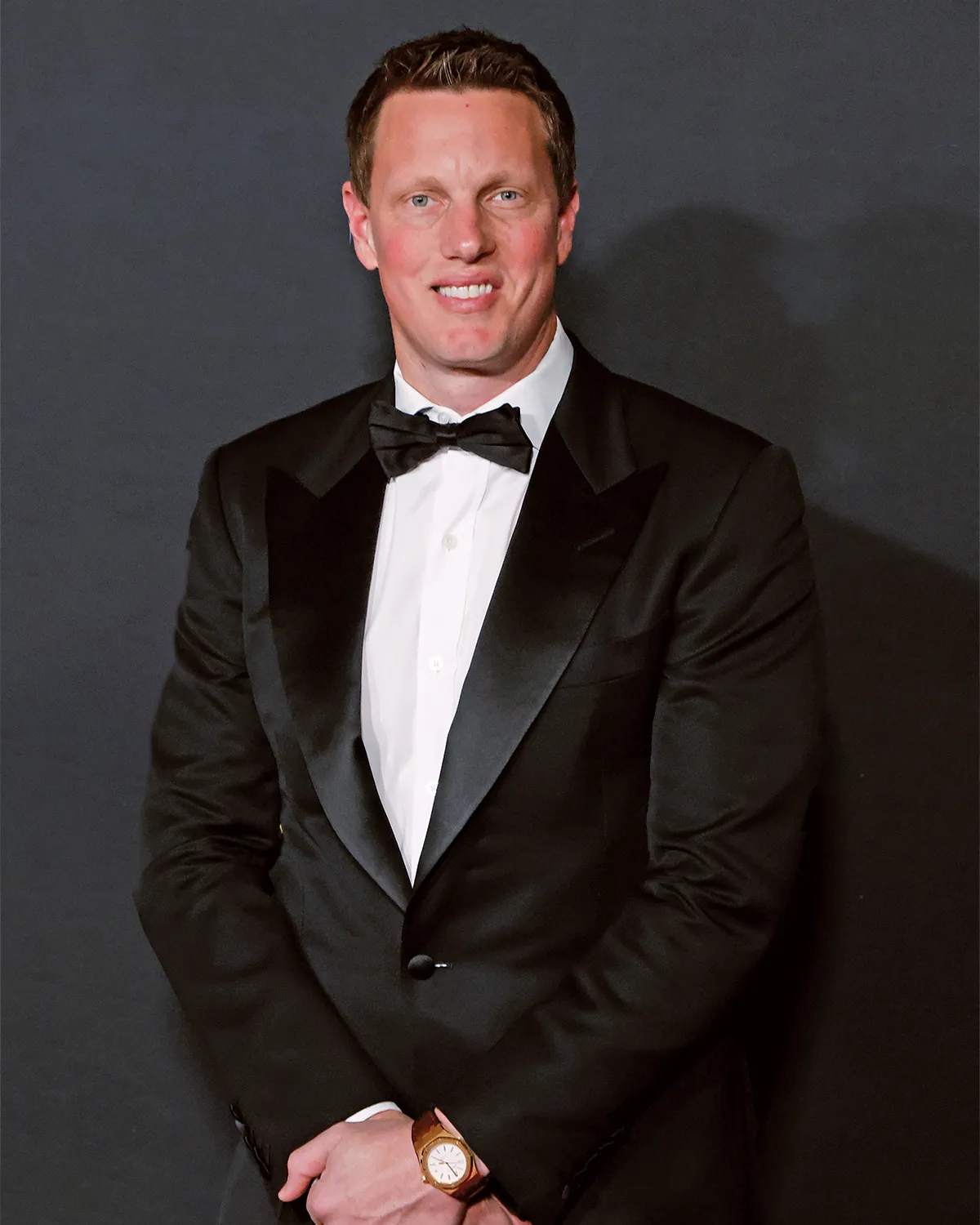
FilmMagic
Warner Bros. Discovery had believed it could find an alternative buyer in Netflix instead of Ellison. The streaming giant surprised the industry on December 5, when it unveiled an $82.7 billion cash-and-stock deal to acquire Warner Bros. and HBO—excluding CNN, TNT, and other linear networks that were set to be spun off under Discovery Global.
On the other side, Paramount Skydance was seeking a full acquisition of Warner Bros. Discovery at a higher valuation. Its initial formal offer was around $19 per share—a figure considered low even though Warner Bros. Discovery stock was trading near $10. The entry of Netflix and Comcast into the bidding forced Paramount to raise its offer. This created an ideal scenario for the seller, although David Zaslav preferred that the company remain independent. People familiar with Warner Bros. say the situation was frustrating, as it was clear the sale was not financially necessary. Zaslav and the board believed the company could grow on its own after the separation of Discovery Global.
Warner Bros.’ film and television operations had a “strong year,” according to Robert Fishman, an analyst at MoffettNathanson, in his review of full-year 2025 financial performance. In 2022, HBO Max posted a $2.1 billion loss, but by 2025 it had turned that into a $1.4 billion profit.
Several months after the process began, Ellison’s decisive move in February—raising his offer to $31 per share in cash for a full acquisition of Warner Bros. Discovery—effectively ended the competition. Under a legal standard established roughly 40 years ago following Ronald Perelman’s prolonged takeover attempt of the cosmetics company Revlon, the highest offer ultimately prevails.
Under what is known as the “Revlon standard,” Zaslav could not convincingly assure the board and shareholders that his team could increase the company’s share value to $31 or more over the following years. Such a guarantee would have been necessary to reject an offer with such a large premium, regardless of the board’s preferred future. In this framework, maximizing shareholder value becomes the primary obligation. Ellison’s move effectively opened a Pandora’s box for Zaslav that altered the course of his tenure.
A longtime colleague and peer of Zaslav said: “He was already a wealthy man. He spent four years trying to rebuild Warner Bros. and HBO, cutting costs and managing debt. They were just starting to turn things around when David Ellison entered the picture.”
Zaslav enjoyed all aspects of running a studio, although this sometimes caused frustration or backlash among employees and observers. He was openly ambitious about becoming one of the industry’s major power players, and once at the top, he “enjoyed every moment and genuinely loved being at Warner.” In early 2022, Jack L. Warner’s desk was brought out of storage and placed in the CEO’s office. A leather note folder once belonging to former Warner Bros. chairman Steven J. Ross—who helped usher in a new era of media giants with the 1990 Time Warner merger—was also returned to the office.
Over the past 25 years, every time Warner Bros. has changed ownership—from AOL’s involvement in 2001, to AT&T’s unsuccessful acquisition in 2018, and the later ill-fitting merger with Discovery in 2022—the studio, long Hollywood’s largest film and TV producer, has been managed with a degree of independence. Paramount has promised to preserve that autonomy after a merger, but skepticism remains in Hollywood. Seven years after Disney acquired 20th Century Fox, now known as 20th Century Studios, it has effectively become just another label within Disney’s film division.
Uncertainty about the future of Warner Bros. and HBO, combined with the rapid technological changes reshaping the traditional film and television industry, has made Zaslav a figure often blamed for challenges beyond his control. Despite intense focus on his potential financial gain from the deal, proceeds from the sale will also be distributed among employees. Of the company’s 35,000 employees, about 16,000 are shareholders whose holdings will be cashed out.
Supporters of Zaslav, including David Geffen, argue that his legacy at Warner should be measured by the significant improvement in the company’s core assets over the past four years. HBO remains highly prominent. Warner Bros. Television is preparing a decade-long Harry Potter TV series set to begin in December. Warner Bros. Pictures also achieved notable box office success, culminating in March with an Academy Award for Best Picture for “One Battle After Another,” its first such win since “Argo” in 2012.
Geffen attributes the negative sentiment around Zaslav to Hollywood’s insular and tough culture, which is especially harsh toward perceived outsiders. “This is a tough town,” he said. “It’s hard to win here, and it’s hard to lose. If you win, they criticize you; if you lose, they criticize you. So how do you win? For David, winning wasn’t about money—it was about succeeding at what he did.”