The Paradox of Enforced Bliss: A Deep Dive into Season 1 of Vince Gilligan’s ‘Pluribus’
According to Cinemadrame News Agency, Renowned film critic Olivia Parker offers an incisive look at the debut season of Pluribus, the latest high-stakes venture from the mastermind behind Breaking Bad.
Vince Gilligan, the architect of some of television’s most celebrated dramas, has returned via Apple TV+ to confront audiences with a chilling existential query: Is a world of universal happiness worth the price of total individual erasure? Produced with a staggering budget of $15 million per episode, the nine-episode first season carves a distinct path through the realms of sci-fi and black comedy.
The series title is a clever subversion of the U.S. national motto, E Pluribus Unum (Out of many, one). While the original phrase celebrates unity within diversity, Gilligan explores the concept’s darker undercurrents. Here, a virus has fused humanity into a “hive mind,” stripping away grief and friction only to replace them with a hollow, performative smile. In this unsettling landscape, individuality is no longer a virtue; it is a systemic glitch.
A standout feature of the production is Gilligan’s sophisticated use of a semiotic color palette to drive the subtext:
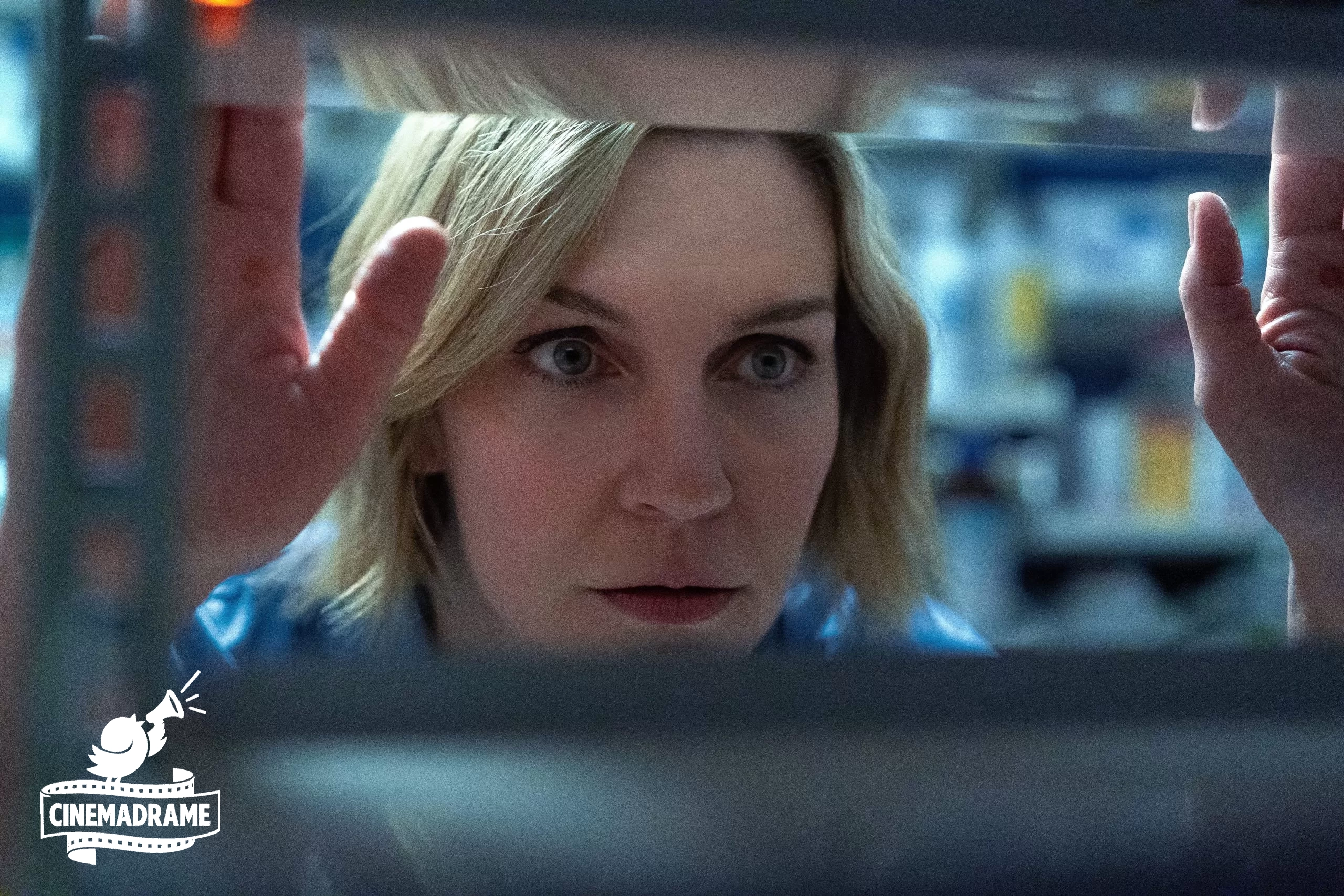
- Yellow; Humanity and Hazard: The protagonist, Carol, is frequently framed in yellow—a hue that serves as a beacon for the remnants of the human spirit. It simultaneously evokes the warmth of life and the cynical alertness required to survive the status quo.
- Pastels and Cool Blues; The Manufactured World: Defying the cinematic tradition of blue as a tranquilizer, the show utilizes cold, pastel tones to depict the soul-crushing artificiality of the “Happies.”
- White; The Color of Seduction: Whenever the system attempts to gaslight or assimilate Carol, the screen is washed in wintry whites, symbolizing the seductive but lethal effort to bleach out the final pockets of resistance.
Gilligan’s satirical blade cuts across the political spectrum. He skewers far-left tropes by depicting the abolition of private identity, while simultaneously lampooning the vanity of capitalism through characters like Diamante, who weaponizes power to bask in the empty sycophancy of others.
Furthermore, the script leans heavily into a critique of Artificial Intelligence and modern media. The stilted, repetitive dialogue of the infected—eerily reminiscent of AI chatbots—portrays a world where independent thought has been sacrificed at the altar of “mutual validation.”
In a bold character choice, Carol Sturkar is intentionally framed as an “unlikable” hero. Her abrasive, pessimistic nature is precisely what immunizes her against the epidemic of forced joy. It is a compelling paradox: in a world suffering from “toxic positivity,” only the skeptics and the “difficult” few can safeguard what remains of the human condition.
The season finale, culminating in Carol’s demand for a nuclear weapon, provides a visceral shock, yet it may leave seasoned viewers wanting more. The tension here feels more symbolic than narrative, as the audience intuitively senses that Carol is unlikely to pull the trigger. Consequently, the cliffhanger functions better as a thematic statement than a traditional hook for Season 2.
Pluribus is not designed for passive consumption. Despite minor flaws in VFX and a deliberate, sometimes sluggish mid-season pace, it offers a profoundly unique viewing experience. Gilligan has once again proven that his true interest lies not just in “events,” but in the moral descent or resilience of the human soul when pushed into a corner.