“Our Hero, Balthazar”: A Controversial Film That Was Rejected, Censored, but Remains One of the Year’s Most Provocative Works
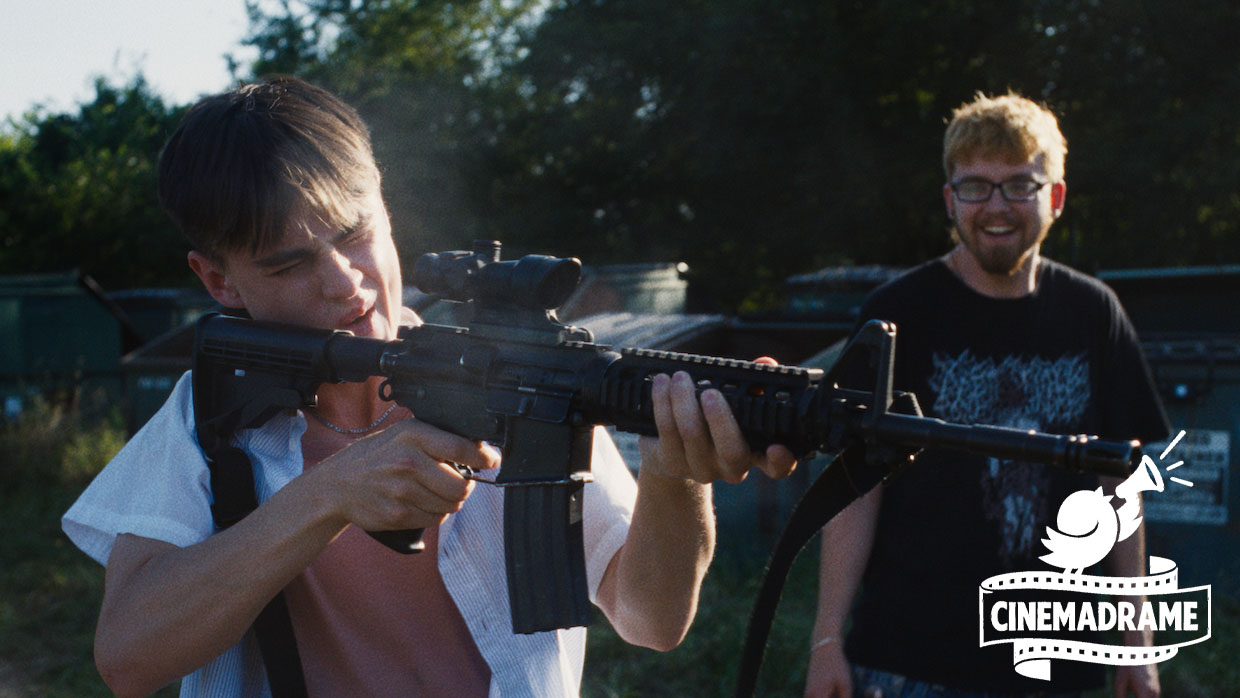
According to CinemaDrame News Agency, the film Our Hero, Balthazar, despite being rejected by major festivals and subjected to censorship, continues to be recognized as one of the most provocative and controversial works of the year.
Directed and co-written by Oscar Boyson and Ricky Camilleri, the film is a dark comedy exploring “troll culture,” social media addiction, school gun violence, and a generation deeply immersed in online life. Despite its timely subject matter and performances by actors such as Jaeden Martell and Asa Butterfield, the film was rejected by the Sundance Film Festival and SXSW before finally screening at the 2025 Tribeca Festival.
The story begins in New York and follows a wealthy teenager with a strange talent for crying on camera to gain attention on social media. His morbid fascination with school shootings brings him into contact with an anxious teen in Texas named Solomon, a character who has access to weapons and fantasizes about using them.
By raising questions about the boundary between victim and perpetrator, the film addresses a highly sensitive cultural issue—one that remains controversial even in artistic works. This factor contributed to the repeated rejection of Our Hero, Balthazar by festivals prior to its Tribeca screening.
Boyson described the film’s rejection as “regrettable” and emphasized that festivals like Sundance were once platforms for bold films that pushed boundaries, citing works such as American Psycho. He stated that this film follows a similar trajectory.
The film is the first feature-length work for both filmmakers and, in terms of narrative tone, is reminiscent of provocative independent films like Happiness, Bully, and Elephant.
Camilleri, noting the political and cultural climate at the time the film was submitted, believes that a certain conservatism and fear have led to such provocative works being less welcomed. He also raises the question of whether film festivals still play a decisive role in shaping public culture.
Our Hero, Balthazar combines multiple genres: thriller, Gen Z dark comedy, and a cautionary tale about gun culture. This complex mix has made mainstream acceptance challenging. Boyson referenced the success of the series Euphoria and questioned why television can bring such topics to a wide audience while cinema cannot.
The film also faced challenges in obtaining a release rating. The Motion Picture Association ultimately assigned it an R rating, but some scenes—particularly explicit nudity—were cut. The filmmakers emphasized that the theatrical release differs in certain aspects from the Tribeca version.
Boyson criticized this process, noting that strict industry restrictions exist while far more extreme content is readily accessible online. Nevertheless, he and Camilleri concluded that after revising certain scenes, the final version became even more impactful.
The film also faced significant financial obstacles, repeatedly receiving negative responses from investors—a factor that, according to the director, further motivated him to complete the project.
Ultimately, Our Hero, Balthazar exemplifies cinema caught between artistic daring and industrial limitations, simultaneously reflecting and critiquing today’s digital world.
The film has been released in limited theaters starting March 27.