David Clayton-Thomas, Renowned Lead Singer of ‘Blood, Sweat & Tears,’ Dies at 84
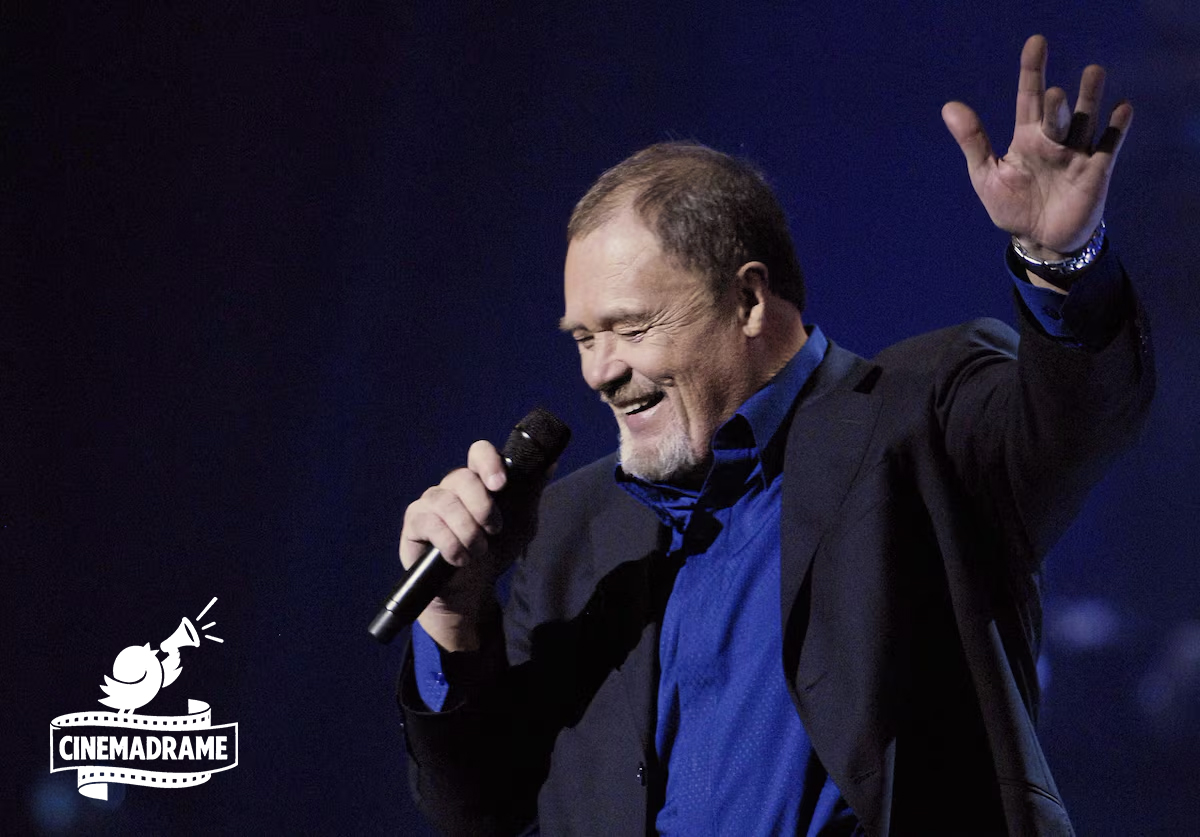
According to the CinemaDrame News Agency, David Clayton-Thomas, the powerhouse Canadian singer-songwriter whose soulful, gritty vocals defined the late 1960s and early 1970s jazz-rock pioneers Blood, Sweat & Tears, has passed away peacefully at a Toronto hospital at the age of 84.
Clayton-Thomas was the creative mind behind the hit single “Spinning Wheel,” the group’s most celebrated original track, which peaked at No. 2 on the Billboard Hot 100 in 1969. Two other major tracks elevated by his definitive vocal delivery—”And When I Die” and the powerful ballad “You’ve Made Me So Very Happy”—likewise climbed to the No. 2 spot that same year. Under his vocal leadership, the band triumphed at the 1970 Grammy Awards, taking home two honors including the prestigious Album of the Year, securing their legacy alongside legendary horn-driven contemporary acts like Chicago.
Born David Henry Thomsett on September 13, 1941, in England during the height of World War II, he was the son of a Canadian soldier and an English music student. The family relocated to Canada after the war. Clayton-Thomas endured a turbulent relationship with his father during his youth, eventually leaving home and facing multiple legal struggles that landed him in reformatories and detention centers. It was during these periods of confinement that he picked up a guitar left behind by another inmate, teaching himself how to play.
Following his release in 1962, he immersed himself in Canada’s booming music scene. Renowned folk artist Judy Collins later discovered him performing in New York and recommended his raw talent to Bobby Colomby, the drummer for Blood, Sweat & Tears. The band’s self-titled second album, featuring Clayton-Thomas as frontman, was released in late 1968, subsequently spending seven weeks at No. 1 on the Billboard album chart and remaining on the charts for nearly two years.
The band rapidly ascended to become one of the biggest musical acts in the United States, headlining major venues like Madison Square Garden, the Hollywood Bowl, and performing at the legendary Woodstock festival. In 1970, at the request of the U.S. State Department, they became the first major Western rock band to tour behind the “Iron Curtain” in communist Eastern Europe.
However, this political tour sparked severe backlash from America’s counterculture movement. The complex reality behind the tour was later brought to light in the 2023 documentary What the Hell Happened to Blood, Sweat & Tears?, which revealed the Eastern European tour was part of a covert deal with the U.S. government to prevent Clayton-Thomas from being deported due to visa expiration issues stemming from his historical Canadian criminal record.
The immense pressures of sudden global stardom led him to depart the band in 1972, though he returned a few years later and continued to front the lineup on and off until 2004. Throughout the subsequent decades, Clayton-Thomas focused on solo projects, independent album releases, and extensive charitable work aimed at supporting at-risk youth. His career achievements were recognized with numerous accolades, including inductions into the Canadian Music Hall of Fame and Canada’s Walk of Fame. He is survived by his two daughters, Ashley and Kristen.