‘Confessions 2’ Review: Madonna’s Pulsating Blend of Slapstick Dance and Sonic Nostalgia Triumphs on the Dancefloor
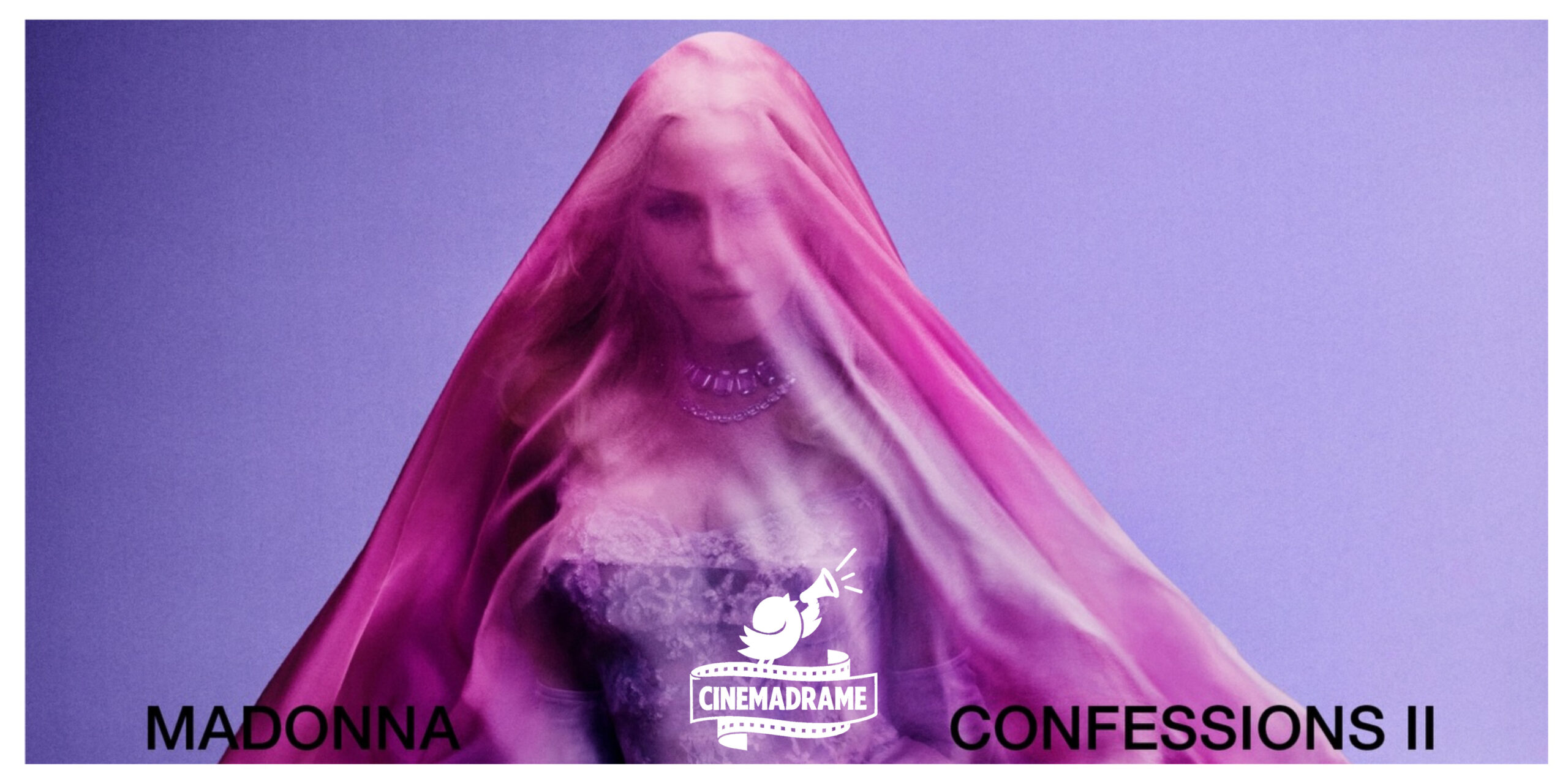
According to CinemaDrame News Agency, at the opening of “I Feel Free”—the lead track off her 15th studio album, Confessions 2—Madonna mutters: “Sometimes I just want to hide in the shadows, create a new persona… I can be whoever I want to be.” While it is hard to imagine Madonna ever hiding in the shadows, the core thrill of approaching any of her new albums lies precisely in guessing which version of her we are about to encounter.
From the very beginning of the promotional campaign for this album—her first release in seven years—she made it clear that she was returning to the dancefloor. The LP serves as a direct sequel to her seminal 2005 record, Confessions on a Dance Floor. This approach has paid off beautifully; the 16-track Confessions 2, co-produced by Madonna and Stuart Price, is easily the singer’s best and most cohesive body of work in two decades, seamlessly blending dancefloor euphoria with late-night mystique.
Album Structure: A Continuous Non-Stop Club Mix
Confessions 2 is meticulously structured, with its tracks seamlessly blended into a continuous, non-stop mix, mirroring the format of the original 2005 album. This sonic continuity allows Madonna to craft a complete narrative arc about losing oneself on the dancefloor, embracing anonymity in a dimly lit room, and finding the ideal canvas for self-reinvention.
Unlike her previous efforts such as Rebel Heart and Madame X—which either chased contemporary trends too aggressively or ignored them altogether—this record boasts a distinct, pulsating electronic identity. It spans from the Detroit House style of “Bring Your Love” (featuring a cameo by Sabrina Carpenter) to the dark techno undertones of “Everything.” Instead of crafting short-lived, radio-friendly pop hooks, Stuart Price focuses on gradual atmospheric build-ups and deeply satisfying crescendos.
A Journey into the Past: Reviving New York’s Golden Era
The track “Danceteria” (named after the legendary 1980s New York nightclub) serves as the emotional core and centerpiece of the album. Utilizing a spoken-word rap style reminiscent of her iconic monologue in Vogue, Madonna travels back to the dawn of her career—recalling the moment she handed her “Everybody” demo tape to DJ Mark Kamins, and reflecting on her time spent alongside mythical figures like Nile Rodgers, Jean-Michel Basquiat, and David Byrne. Without ever devolving into mere mimicry, the album brilliantly revives the nostalgic spirit of 1970s disco and 1980s house.
Standout Tracks and the Emotional Nuances of the Second Half
In its second half, the album shifts away from pure club energy and moves into the most deeply personal territories of Madonna’s life. As the dancefloor adrenaline fades, she confronts raw personal realities.
| Track Title | Genre / Key Feature | Thematic & Emotional Core |
| “Danceteria” | Disco-Club / Spoken Word | Reminiscing about 1980s New York icons and the genesis of her professional career. |
| “Fragile” | Mellow UK Garage | A poignant emotional tribute to her late brother, Christopher Ciccone, and their deathbed reconciliation. |
| “Betrayal” | Features an Erik Satie audio sample | A fierce, unfiltered critique directed at her stepmother, Joan Ciccone (who passed away in 2024). |
| “The Test” | Duet with her daughter Lourdes (Lola) | A heartfelt apology to her daughter regarding the heavy, inescapable shadow of maternal fame. |
Conclusion
While a stubborn insistence on maintaining a frantic tempo on tracks like “Strange” (a collaboration with Martin Garrix) near the end can feel slightly repetitive, the album closes beautifully with its final track, “L.E.S.” (a nod to New York’s Lower East Side). Stripped down over a gentle guitar melody, Madonna sings of the days when she couldn’t afford rent but was deeply in love with a young man who looked like Marlon Brando.
Confessions 2 serves as a reminder that while the young Madonna of the 1880s may be gone, the Madonna of today is very much here—reigning over the dancefloor as though time itself has stood still.