Tim Curry, Star of ‘The Rocky Horror Picture Show,’ Dies at 80
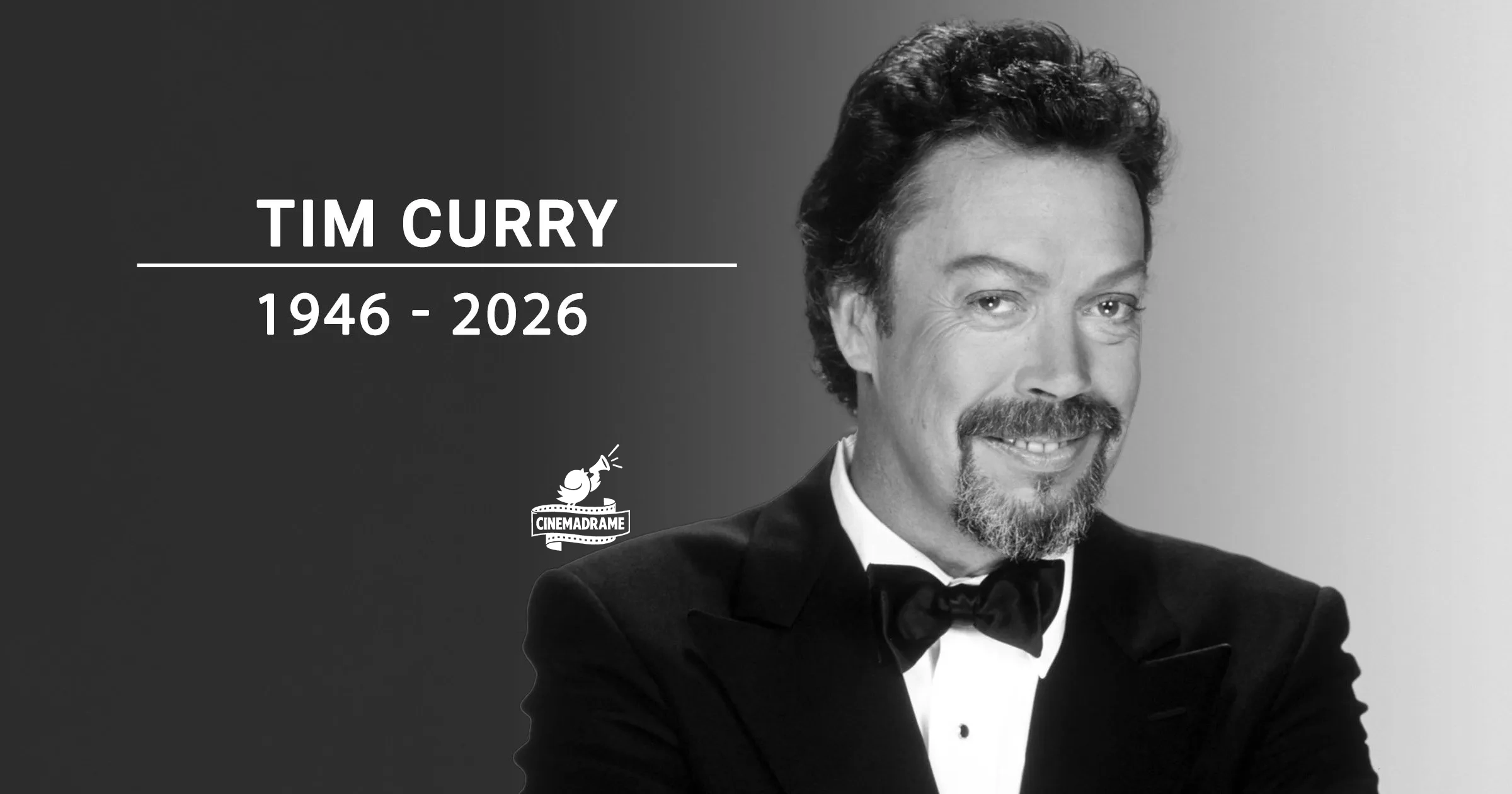
According to CinemaDrame News Agency, Tim Curry, the actor who achieved global fame in the 1970s with his vivid and standout performance in the musical comedy-horror stage show The Rocky Horror Show and its subsequent film adaptation The Rocky Horror Picture Show, died on Tuesday in Los Angeles at the age of 80.
Marcia Hurwitz, Curry’s longtime manager, confirmed to media outlets that the artist passed away peacefully at his home in Toluca Lake. While an exact cause of death was not immediately announced, Curry had faced numerous physical health challenges since suffering a severe stroke in 2012.
The renowned English actor, singer, and voice artist earned nominations for prestigious awards such as the Tony and Olivier during his career, as well as an Emmy Award. However, his most memorable performance was undoubtedly his role as Dr. Frank-N-Furter in Richard O’Brien’s groundbreaking musical comedy.
Curry first performed the role on the London stage under the direction of Jim Sharman before taking it to theaters in Los Angeles and New York. Ultimately, he immortalized the character in the 1975 film version directed by Sharman; a movie that, despite initially flopping at the box office, grew over time to become one of the most beloved live-action cult films in cinema history. Curry’s performance and appearance as the mad scientist became etched in film history, alongside Boris Karloff’s portrayal of Frankenstein’s monster and Bela Lugosi’s Dracula in 1930s classics.
In a 1975 television interview about the role, he remarked, “I felt it would be a success, but I was worried that if it succeeded, it would be very difficult to shake off the image of this character. However, I always believed that anything without risk isn’t worth doing.”
At the peak of the film’s popularity in the late 1970s, Curry entered the music industry, releasing three rock albums with A&M Records. Although his face was forever associated with midnight screenings of the film, over his more than half-century career, he demonstrated that his talents extended far beyond a single role.
He launched his professional career in 1968 starring in the London production of the musical Hair. Through the mid-1970s, he excelled in major theater productions, performing works by Shakespeare, Brecht, and Stoppard. His performance as Mozart in Amadeus on Broadway earned him a Tony nomination, while his portrayal of the Pirate King in The Pirates of Penzance earned an Olivier Award nomination. He later appeared on stage in musicals such as My Favorite Year and Monty Python’s Spamalot, directed by Mike Nichols.
Despite an extensive body of work in film and television, the overwhelming permanence of Frank-N-Furter in the public consciousness meant Curry was often less recognized as a leading film star than he deserved. Nevertheless, he starred in notable films, including playing Rooster Hannigan in the musical Annie (1982), the villainous Darkness in Ridley Scott’s dark fantasy film Legend (1985), and the butler Wadsworth in the mystery-comedy Clue, which also became a cult classic. On television, his portrayal of Bill Sikes in the TV movie Oliver Twist (1982) gained widespread acclaim.
Though Curry occasionally appeared in serious dramatic works such as The Hunt for Red October (1990) and The Three Musketeers (1993), comedy remained his primary realm of brilliance. Notable performances include the Plaza Hotel manager in Home Alone 2: Lost in New York (1992), Mr. Jigsaw in Loaded Weapon 1 (1993), Long John Silver in Muppet Treasure Island (1996), a Russian terrorist in McHale’s Navy (1997), and Gomez Addams in Addams Family Reunion.
On television, he won an Emmy Award for voicing Captain Hook in the animated series Peter Pan & the Pirates and delivered a terrifyingly brilliant performance as Pennywise the Dancing Clown in the 1990 television miniseries adaptation of Stephen King’s It.
Starting in the early 1990s with FernGully: The Last Rainforest (1992), Curry transitioned heavily into voice acting for animated works, lending his voice to The Pebble and the Penguin (1995), The Rugrats Movie (1998), Rugrats in Paris (2000), and The Wild Thornberrys Movie (2002). This line of work became his primary career focus in the entertainment industry following his 2012 stroke, which left him using a wheelchair.
In 2016, Curry made a memorable appearance as the Narrator in the television remake of The Rocky Horror Picture Show. Four years later, he reprised his classic role in a live table read of the script for Joe Biden’s presidential campaign.
Tim Curry was born on April 19, 1946, in Grappenhall. Following his father’s death in 1958, his family relocated to South London. Exhibiting a strong talent for singing and acting from a young age, he graduated from the University of Birmingham with a degree in English Literature and Drama.
His role in Hair marked his professional debut, during which he met Richard O’Brien. O’Brien showed Curry the script for a new project—a satire parodying classic horror and sci-fi films. Confident in its potential, Curry auditioned, sang a Little Richard song, and secured the lead role of Frank-N-Furter.
After a successful run in London, the stage show moved to Los Angeles to rave reviews, though its Broadway run ended abruptly after just 45 performances. Initially, it seemed the 20th Century Fox film adaptation—starring Curry, O’Brien, Susan Sarandon, and Barry Bostwick—was destined for the same fate.
Renowned film critic Roger Ebert wrote of Curry’s performance at the time: “He is the best thing in the movie, perhaps because he seems to be enjoying himself the most. He is a very capable actor, and up until the final scene, he carries his role in the best possible way.”
Although the studio initially planned to shelve the film following poor early audience reactions, marketing executives noticed that midnight comedy screenings at select theaters were drawing enthusiastic young audiences. This prompted the launch of midnight screenings for the film in New York starting in the spring of 1976.
By 1990, the film had turned into a cultural phenomenon, screening regularly at midnight in more than 175 theaters across the United States. Fans dressed up as the characters, shouted lines in unison with the screen, danced in the aisles, and performed live shadow-cast re-enactments, ensuring Tim Curry’s legacy would remain forever immortalized in cinematic history.